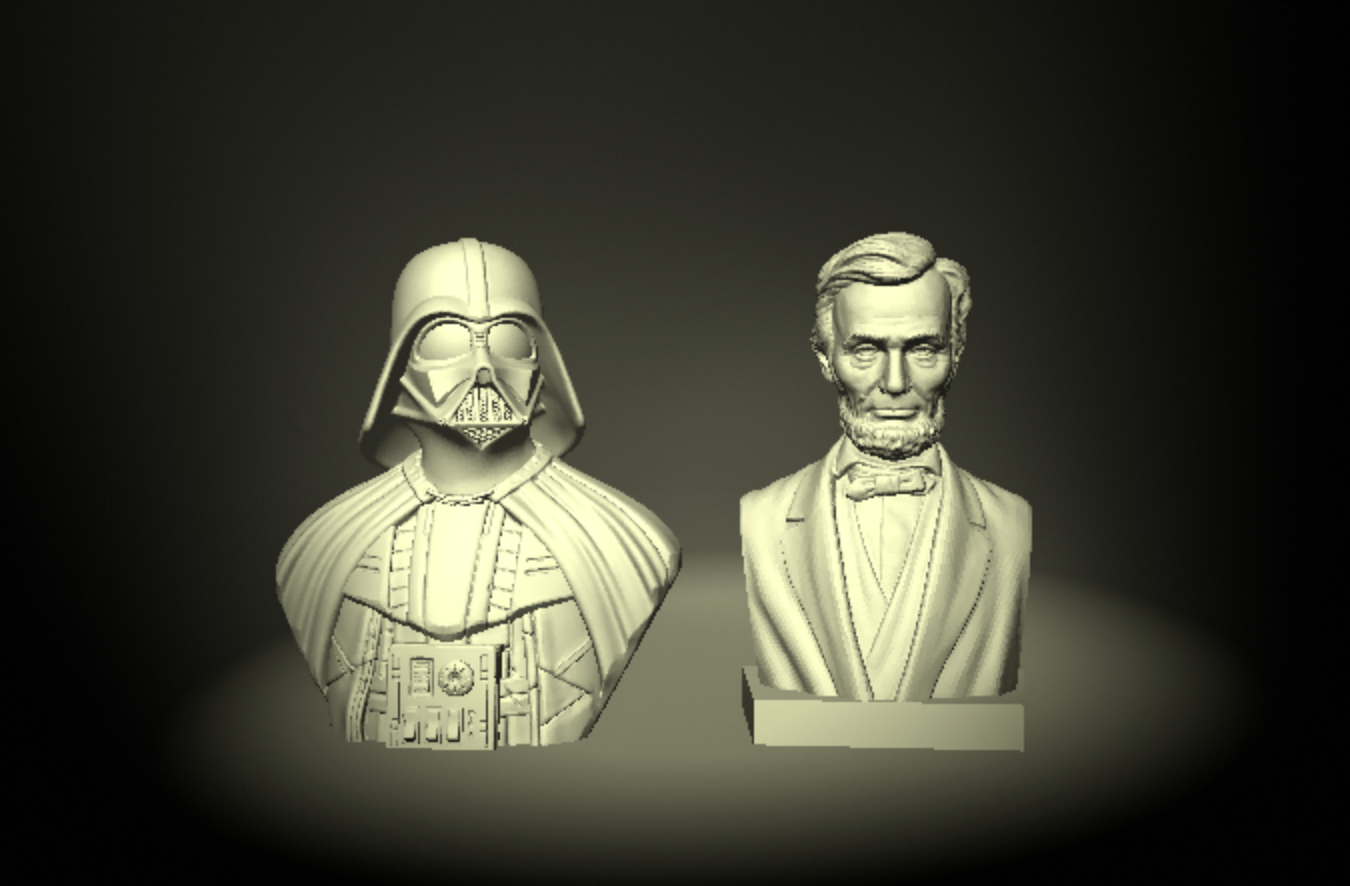
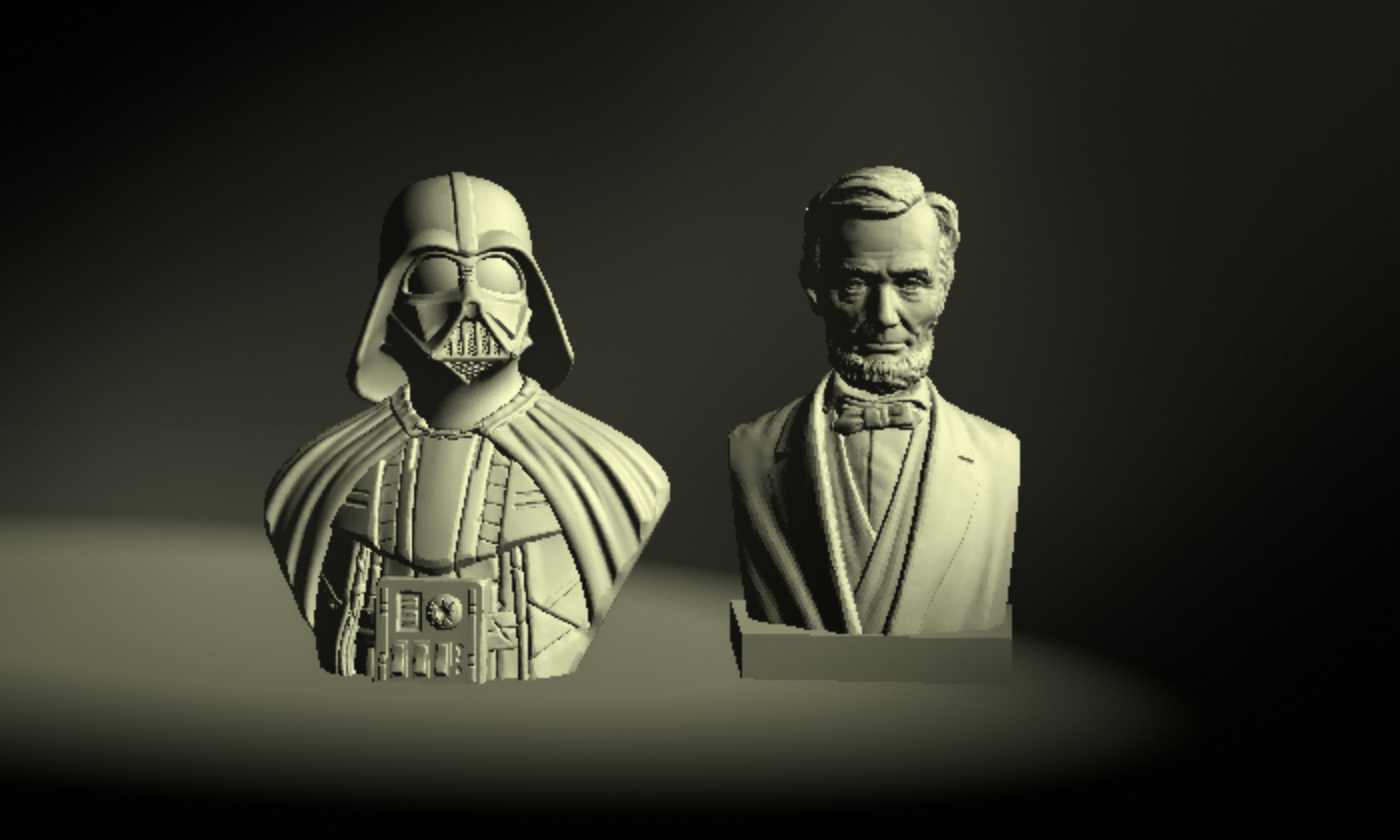
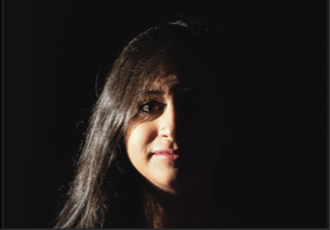
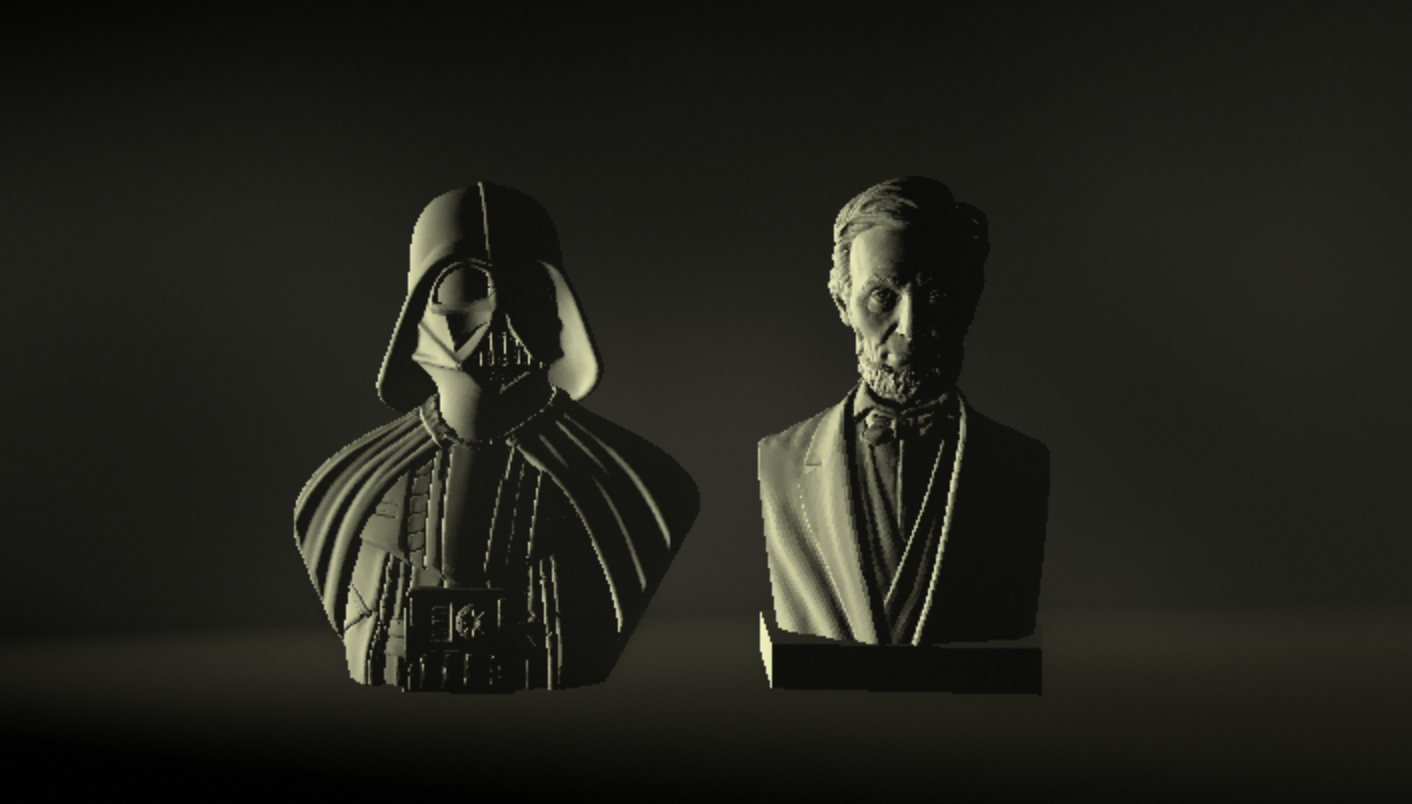
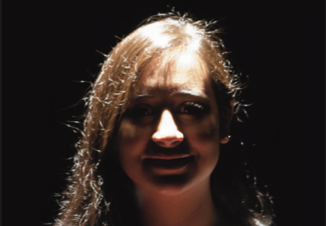
Line is a matter of the subject being lit; the subject’s surfaces and edges that are highlighted by light. We can highlight certain surfaces or edges to help tell the story we want to tell. A great example here is dance, which is all about the line of the body rather than the surface of the face; meaning, we want to highlight the edges of the arms and legs.
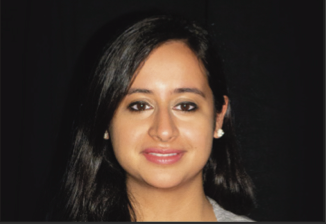
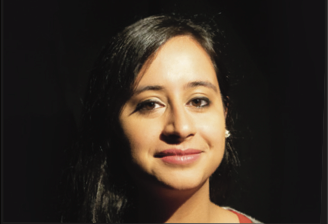
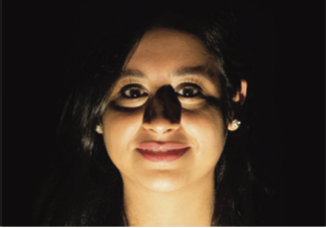
Direction refers to the angle from which the light comes. This is how we can highlight a certain line or to create a certain experience. A light coming from below a face can make for a very unnerving mood on stage; whereas a light coming from the same direction as the sun feels natural, normal, and safe.
Controlling the Element
Mastering the art of direction and line requires a strong understanding of the science of light and the technical abilities of lighting fixtures. That sounds a like a lot for an introductory course, so I’d like to keep things simple here. Okay?
Fixture
Honestly, at the end of the day choosing the right light has a lot to do with that’s at your disposal; if the ideal light isn’t in your inventory, it’s not the ideal light. Use what you’ve got. And really, a paint roller in the hands of an artist can be the tool used to create a painting that is beautiful.
However, if you want to choose the right light, selection has a lot to do with the quality of light (we’ll talk about that later) and photometrics (the mathematics of lights). I love math and geometry, but that sounds overwhelming here, so I’m going to ask you just to trust science. Mkay? And just start pointing lights at the stage.
Position
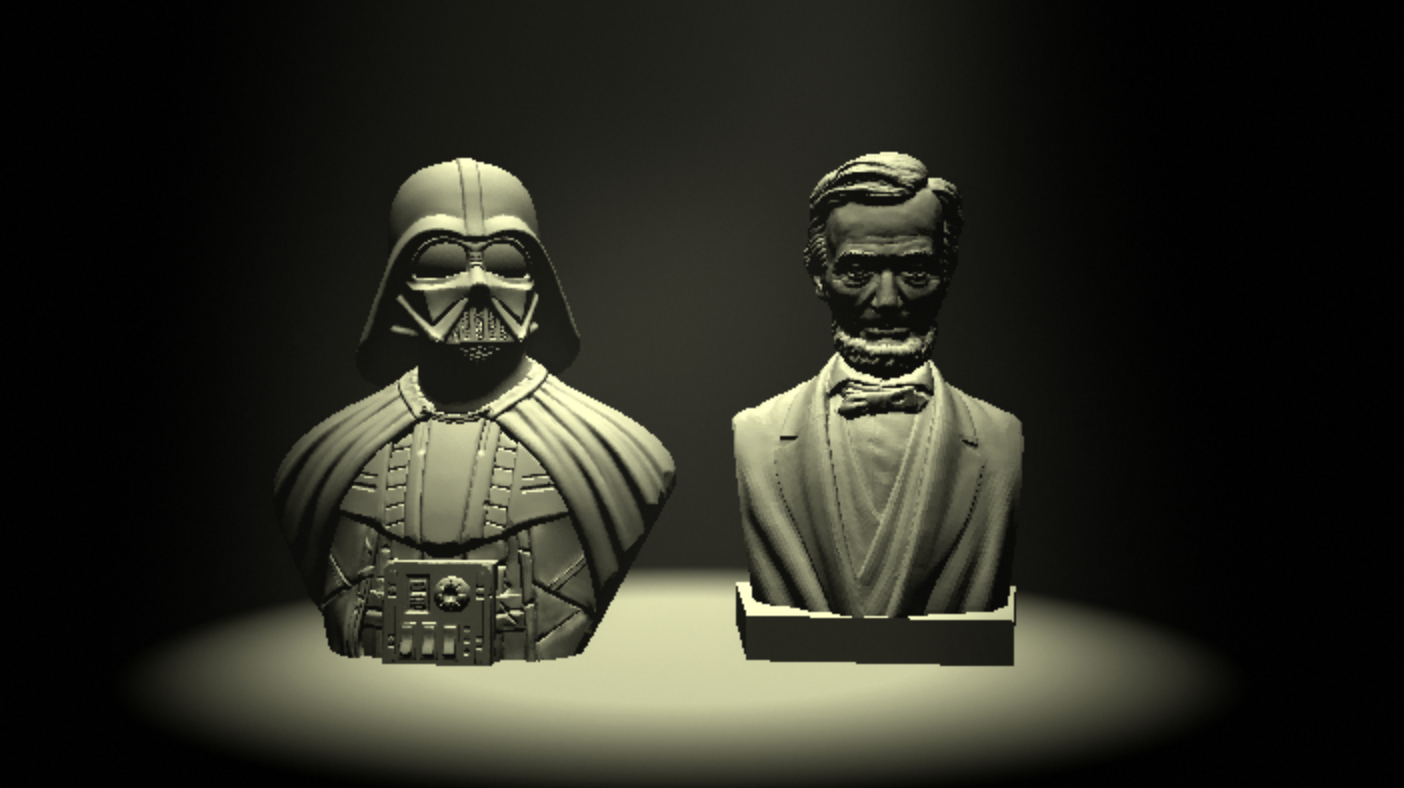
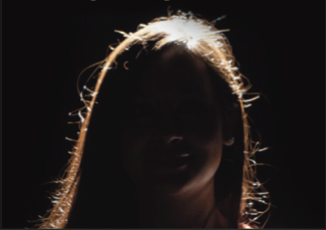
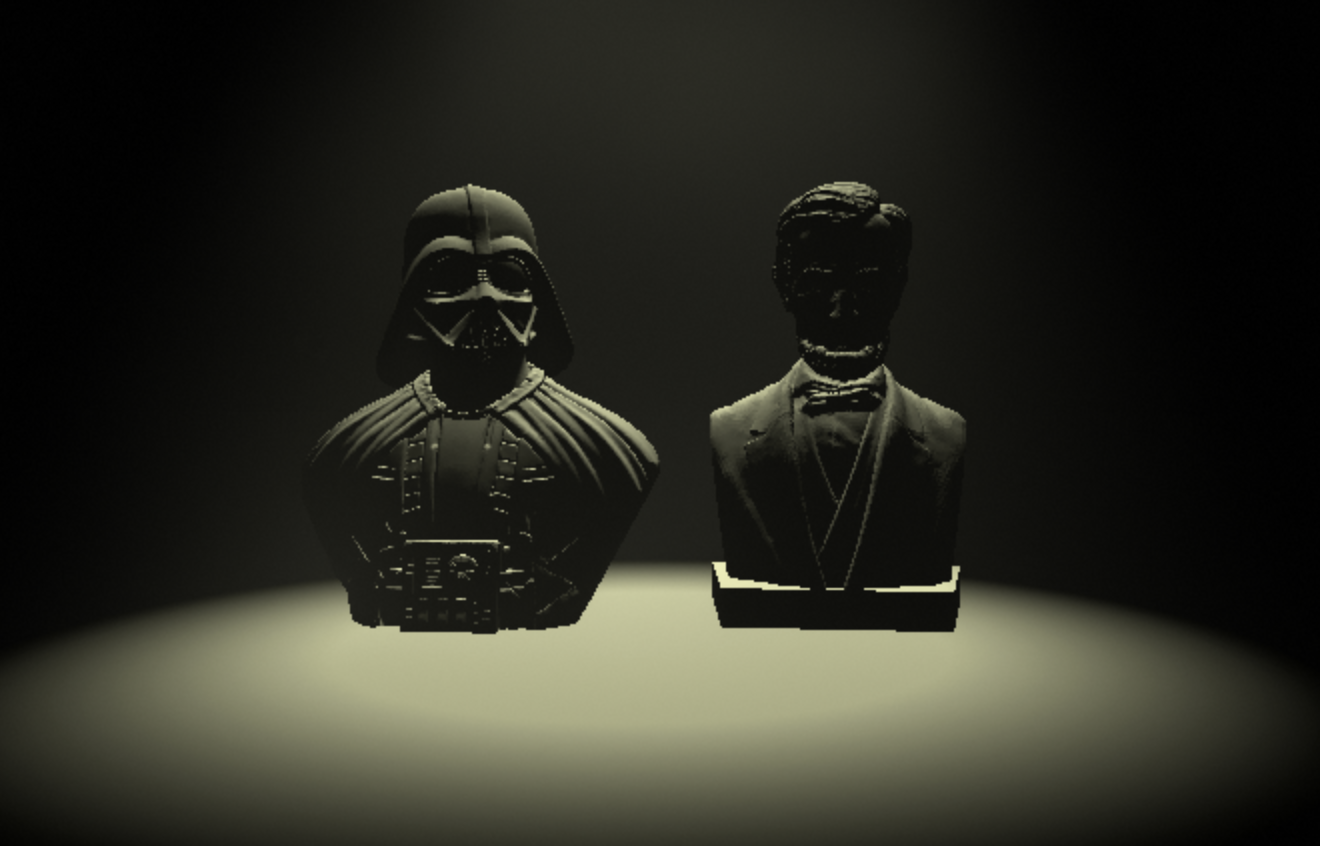
Here’s something you probably can control, where a light is hung. This can directly influence the way light illuminates an actor. And if you can’t change where the light is hung, you might still be able to change where it points (or where the light is “focused” as we would say in the industry). The following images come from ETC’s educational resources (specifically the lighting angles poster attached to this lesson) and connect with screen shots from the Concept Project referenced in this course. I would encourage you to try and match the images on your own computer in Augment3d.
Alright. There are a handful of standard lighting angles or directions – front light, 45 degrees, side light, top light, back light, and up light. Everything else is a variation on these primary angles.
Front Light – This is a light coming from the front of the stage and illuminating the actor straight on. It’s nice for illuminating faces (visibility!); however, doesn’t reveal form, creates shadows behind the actor, and is just … boring (we would call this “flat”) … but functional.
Cross Light / 45 Degrees – This is a light coming from the front / side / above. It achieves the same goal as front light, illuminating the face, but creates shadows. These shadows are then usually filled in by a corresponding cross light coming from the opposite direction. This idea comes from McCandless, one of the pioneers of stage lighting. This will use twice as many lights as just a single front light, but it will do a much better job revealing form.
Side Light – This is a light coming from the … drum roll … side. What?! These are often often called “booms” and are are used for dance lighting, for musical numbers, or for interesting angles in a play. I especially like to use these when projecting video on the floor – allowing an actor to float on top of the projections.
Top Light – This is a great light to create isolation as it come straight from above an actor and doesn’t illuminate anyone or anything around them. Used in tandem with cross lights, this can help reveal form. Used by itself it can create a striking image and a bold mood.
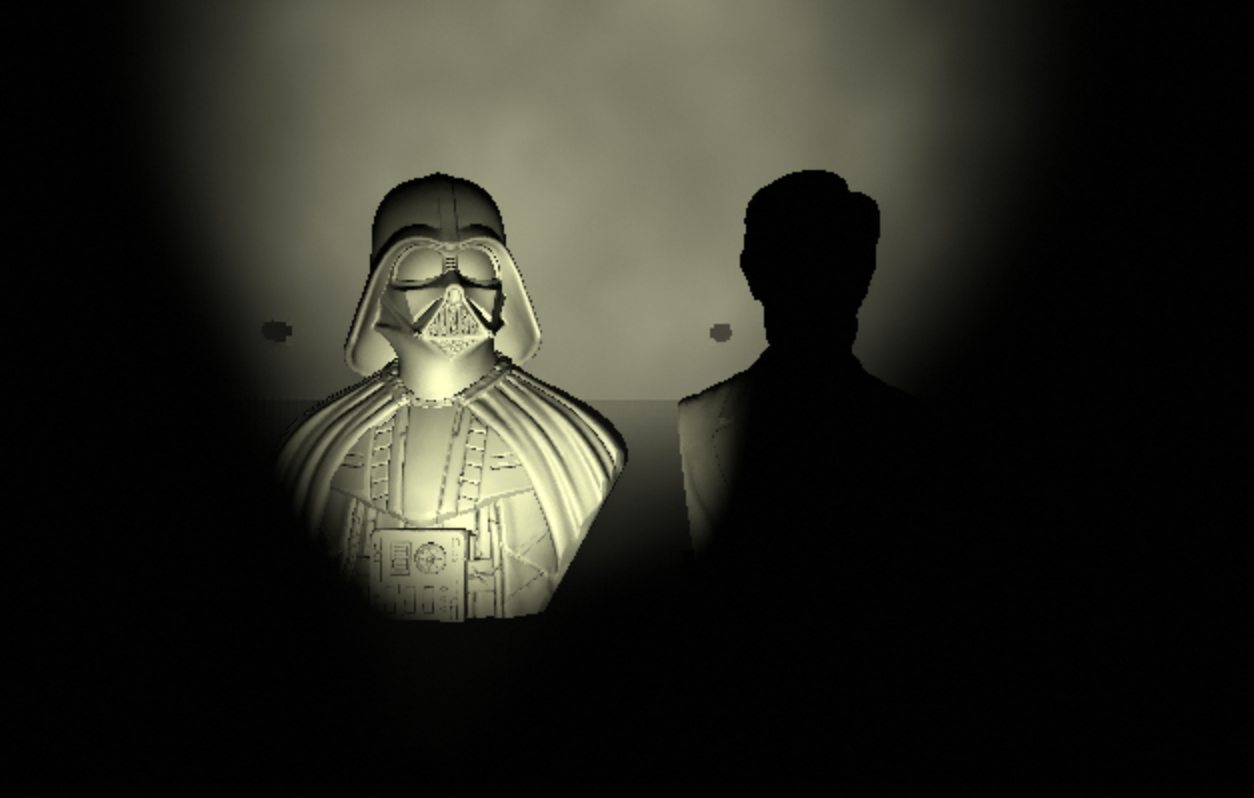
Back Light – This type of angle creates a silhouette when used by itself. This can be problematic because it doesn’t show any facial features – or it can be very striking because it hides all facial features. When used alongside front light or cross light, this can do a wonderful job of revealing form.
Up Light – This is a great way to create an unnatural moody effects or mimicking something like a camp fire or television set. If used minimally in tandem with other angles, this is a great way to fill in shadows created by other lights (especially under the eyes) – and I love using this in live stream video, especially for someone speaking at a static podium.
Combination of Angles
Rarely do we use a single light or a single angle by itself – often we use a combination of angles to achieve our artistic goals.
For example: Stanley McCandless first suggested using two front cross lights – a cool color from the front left and a warm color from the front right.
For example: A common technique used in video lighting is the “three point” system. This is a method that uses three lights in a triangle pattern around a subject.
Key Light – This is your primary light, the strongest light.
Fill Light – This is a light coming from a different angle that fills in the shadows created by your key light
Back Light – This is a light coming from behind to create form and pop the person from the background. Often this is referred to as a “hair light” as it illuminates the outline of a person’s hair.
But really, the angle / line / direction that you choose can make artistic statements. You can do whatever you want, as long as it purposefully and artistically serves your goals and helps tell your story.
System
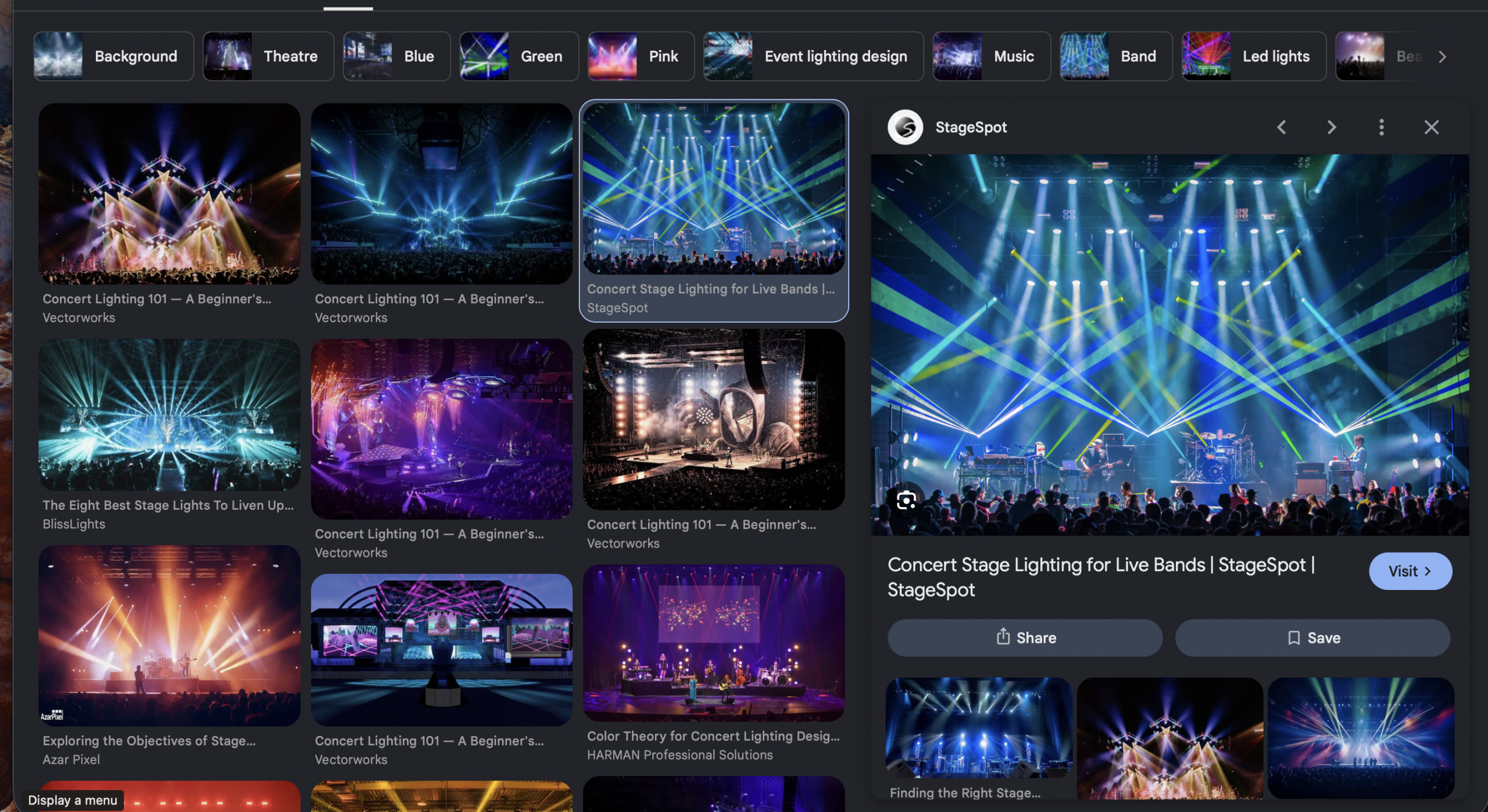
A lighting “system” is a group of lights with a similar purpose. For example, all the front lights would be a part of the “front light system”. Often times we try to make each light in the system have an identical angle or direction; however, creating a system of lights with different angles can create a striking architectural image. Google concert lighting and you’ll see that immediately …
Connection to the Functions
Visibility – It’s important here to ask yourself what needs to be visible. In most cases, the actor’s face is the primary communicator; but in dance the body is. That to say, choosing the right angles to light what needs to be visible is important. Perhaps an example of “doing it poorly” on purpose would help. Have you ever seen a video interview where the person is only back lit, making their face indiscernible? Well, that’s a choice of lighting angle to purposefully hinder facial visibility.
Composition – Interesting angles can paint the stage in interesting ways. There’s the obvious connection. A less obvious connection is what I would call “light trash”. Almost every light will continue to travel past an actor and will end up illuminating the space beside, in front of, behind the person. How far? Well that depends on how steep you make the angle of the light. It’s important to be mindful about that unwanted illumination as it could ruin the distinction between foreground and background content. It could create unwanted shadows. Or it could expand an area of focus to be much larger than you wanted it to be. So remember, don’t just think about the subject being lit, also think about what’s being unintentionally lit around them.
Form – This would be the primary function served by line and direction. Using a purposeful set of lights from various angles can do an incredible job revealing form and making people and scenic designs look three dimensional. Conversely, using too many or too few lights or perhaps angles that are flat can create an uninteresting or boring stage picture.
Mood – Line and direction can speak volumes about the mood of a moment. Are safe? Are we in danger? Is this moment natural or surreal? Are these people kind or are they oppressive? Know what the story is trying to say, what this moment is trying to say, and consider how you can come alongside the telling of the story using light and line.
Style – This is a great moment to really consider your given circumstances. If you’re leaning into some sort of naturalism or realism – you should consider your “motivating lights”, meaning, the lights that are grounded in the reality of the world. Examples of this would be the sun or moon, a porch light at night, a lamp in a dark room. These motivators will help you decide upon the direction of a given system of lights. If you’re doing something more abstract, I would still encourage you to make these same considerations because something un-real still has to know what is real to be un-real — human story is based in and out of our lived human experience.